
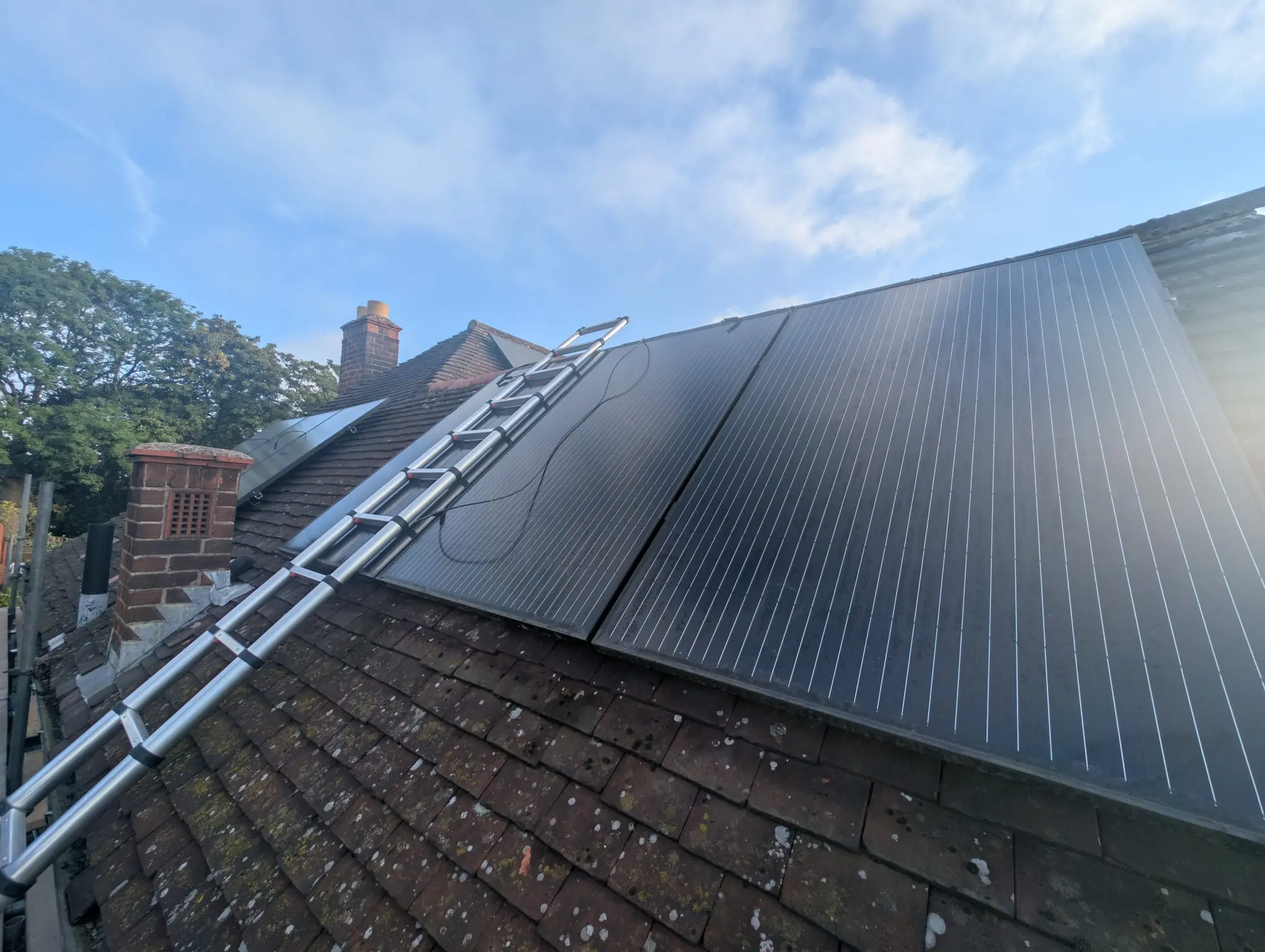
Array split into sections
The two groups of three panels were tested separately so the dead side could be identified without guessing at the inverter.
Moseley solar PV fault-finding case study
One side of a six-panel solar PV array was no longer operating correctly. The system was separated and tested methodically to isolate the fault, while a second connection issue was also identified and repaired during the investigation.
What the investigation found
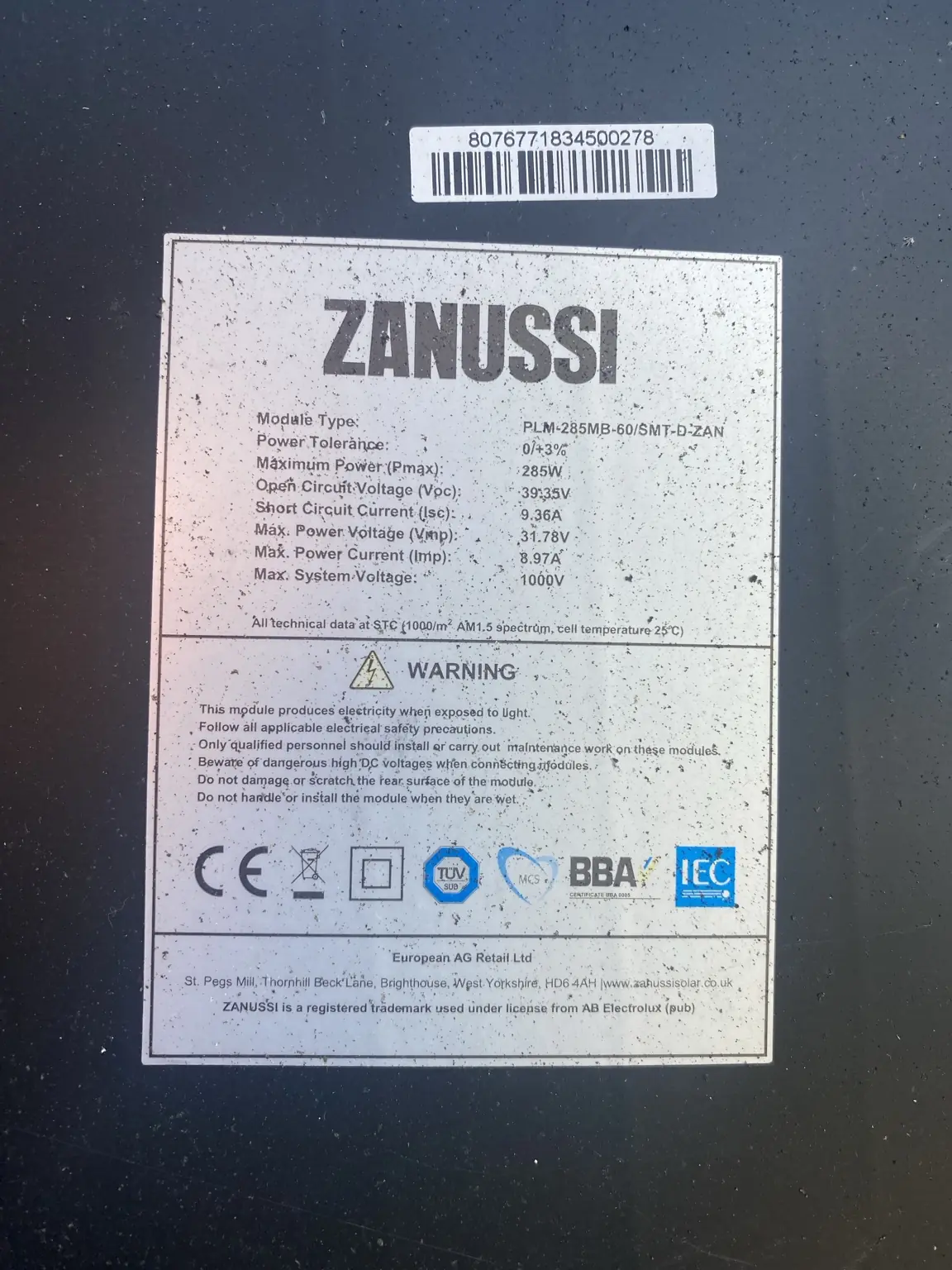
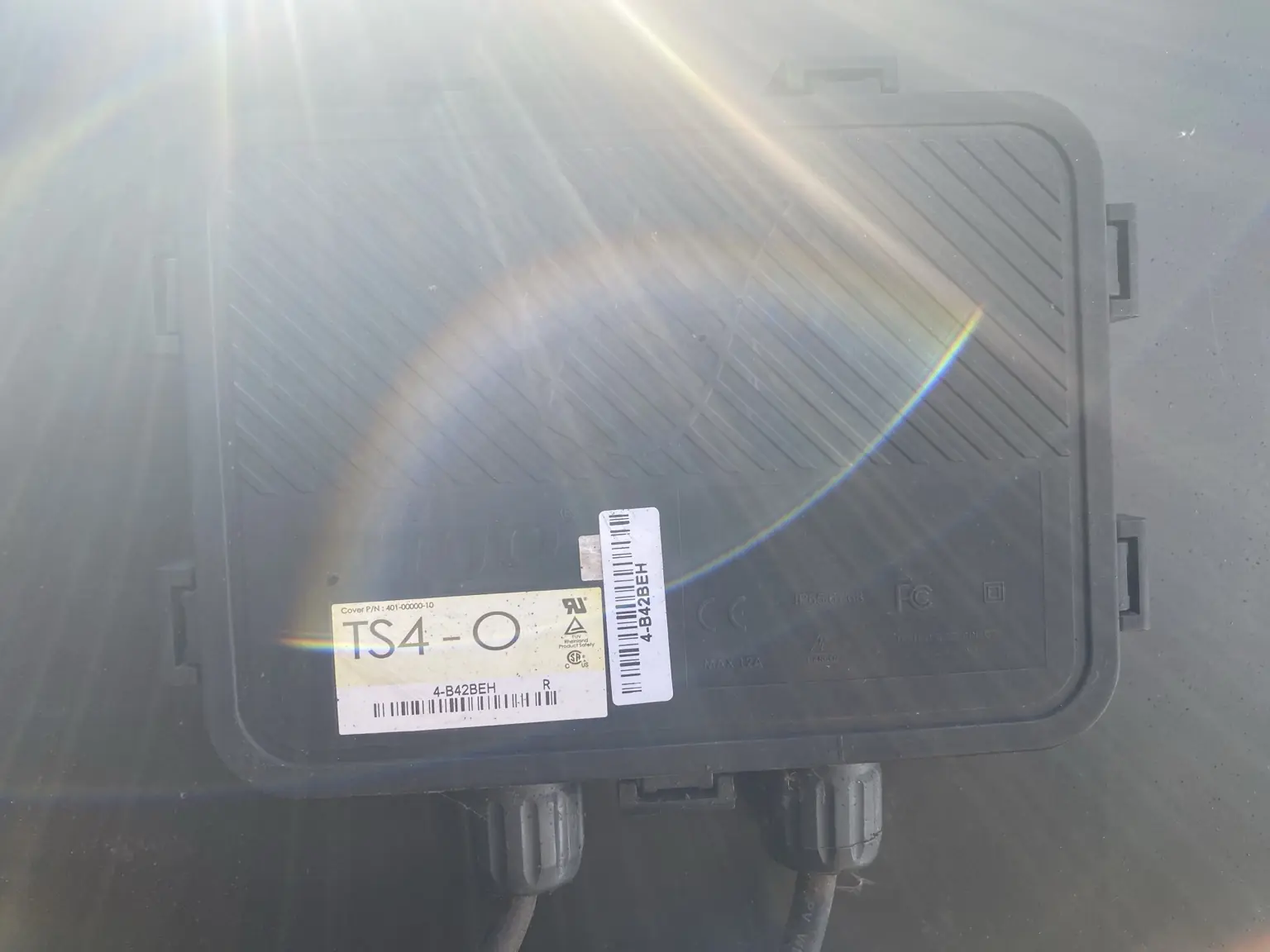
The existing roof array comprised six Zanussi 285 W modules fitted with Tigo TS4-O optimisers, arranged as two groups of three panels either side of a chimney gap.
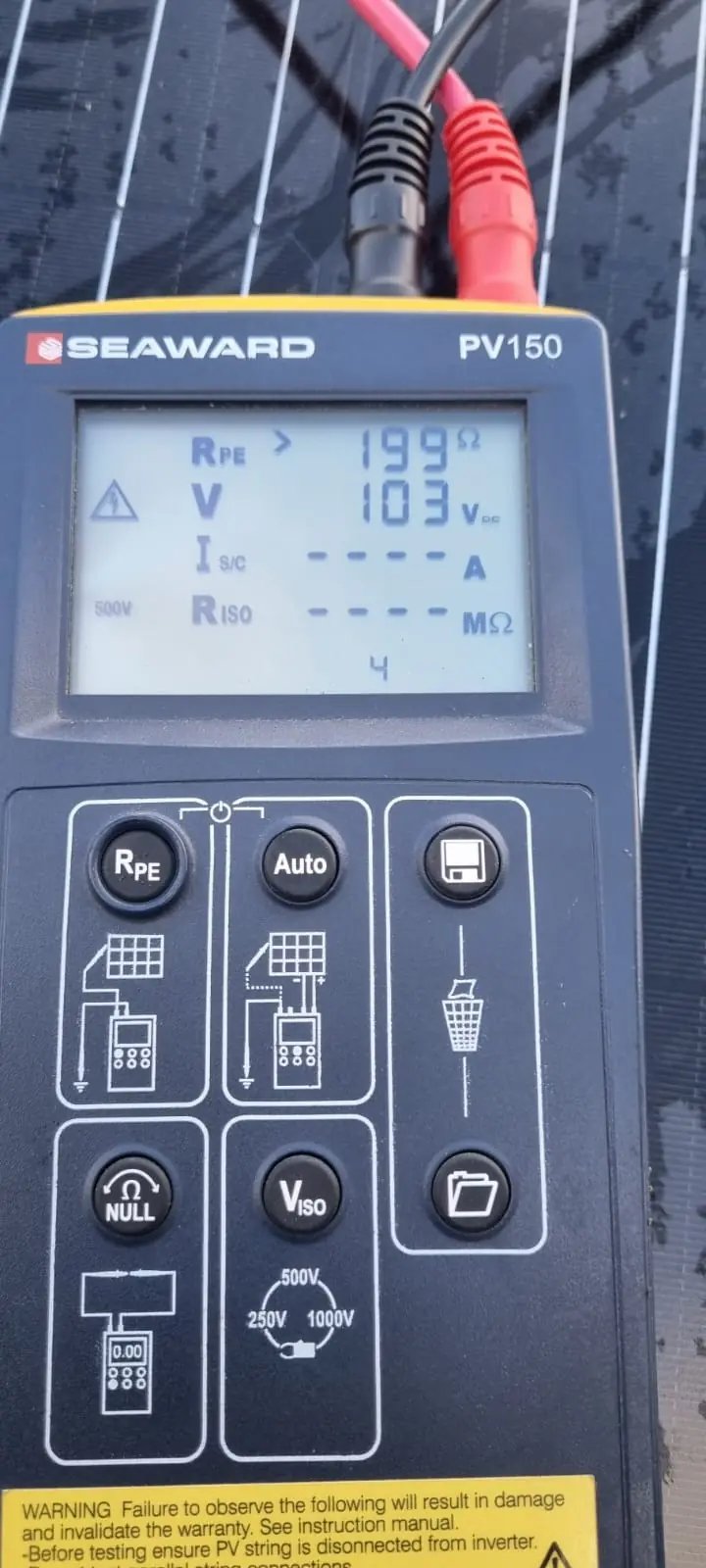
With the array disconnected from the inverter, the first group of three modules produced approximately 103 V DC. The second group initially produced 0 V DC, so those three modules were then separated and tested individually.
Two modules produced approximately 33 V DC each while one produced 0 V DC. This narrowed the main fault down to a single module or its associated optimiser assembly rather than the inverter or the complete DC cable run.
During testing of the affected bank, the DC voltage was also unstable. Inspection found an MC4 connector that was unusually tight and appeared swollen, consistent with thermal damage. The connector was cut off, replaced and the voltage became stable after reconnection.
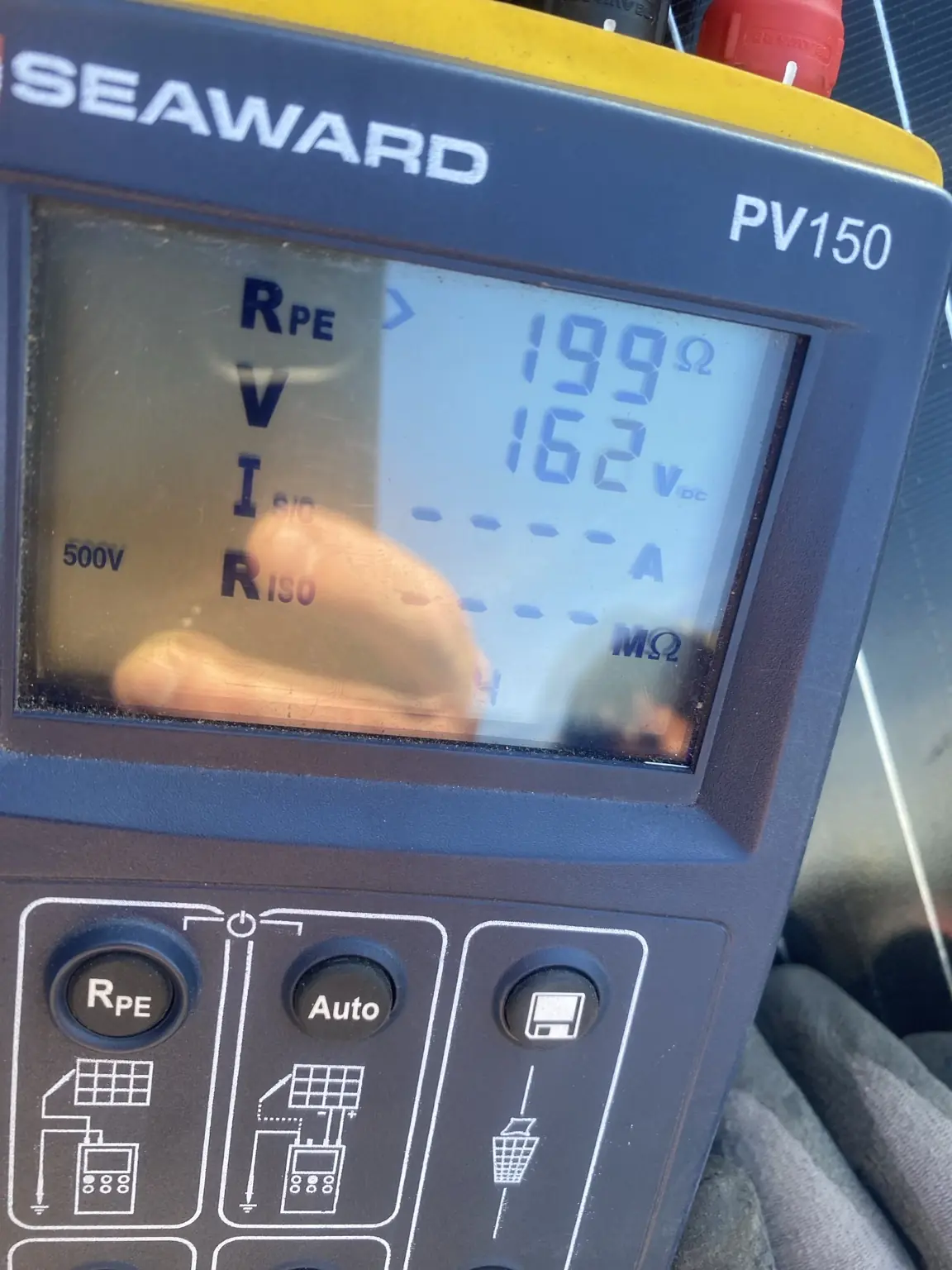
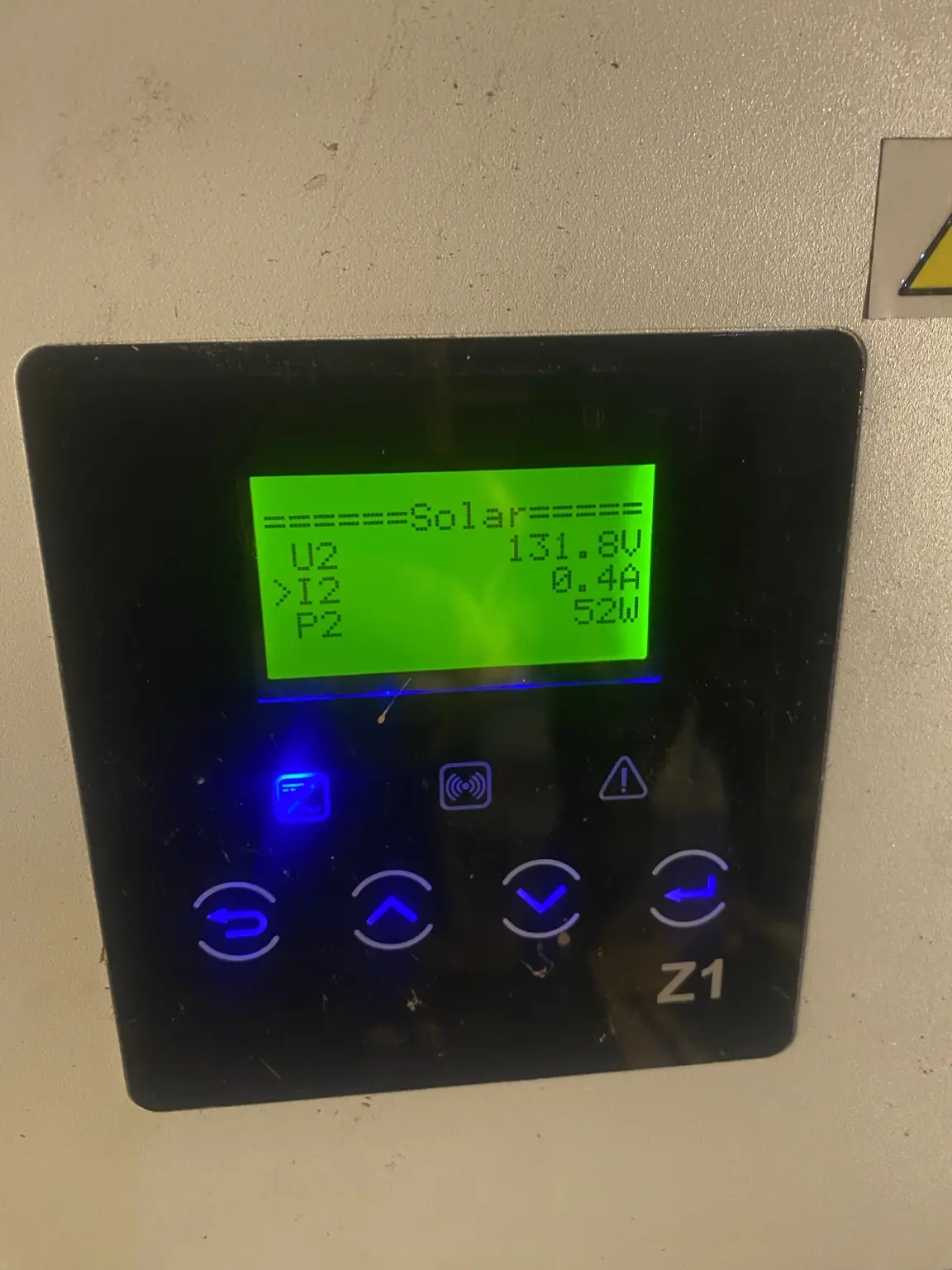
The faulty module was left isolated and the remaining five modules were reconnected. The five-panel array measured approximately 162 V DC before reconnection to the inverter. The inverter then displayed approximately 131 V DC and returned to generation. Output at the time was low because of the available irradiance and sun angle.
The fault-finding visit was completed and the customer was left with options for any further works.
How the fault was isolated
PV faults can sit at a module, optimiser, connector, cable or inverter. Breaking the system into testable sections helps avoid replacing working equipment unnecessarily.
The two groups of three panels were tested separately so the dead side could be identified without guessing at the inverter.
The affected group was separated panel by panel. Two modules produced around 33 V DC and one produced 0 V DC, isolating the main fault.
A fluctuating DC reading led to inspection of the final panel connection rather than accepting an intermittent result.
The swollen connector was removed and a new MC4 connector fitted. Retesting then produced a stable voltage reading.
With the faulty module isolated, the remaining five panels produced approximately 162 V DC before being reconnected to the inverter.
The inverter showed approximately 131 V DC and was generating at the end of the fault-finding visit. Lower power at the time was consistent with the available sunlight.
PV system not generating correctly?
If a solar PV system has stopped generating, one string is underperforming or the inverter is showing abnormal readings, methodical fault finding can help identify where the problem actually sits.