Rental & social housing electrical safety

Electrical safety for
landlords & housing providers.

EICRs, remedial electrical work and smoke, heat and carbon-monoxide alarm support for private landlords, social landlords, housing providers and property managers across Dudley, Sedgley and the wider Black Country.

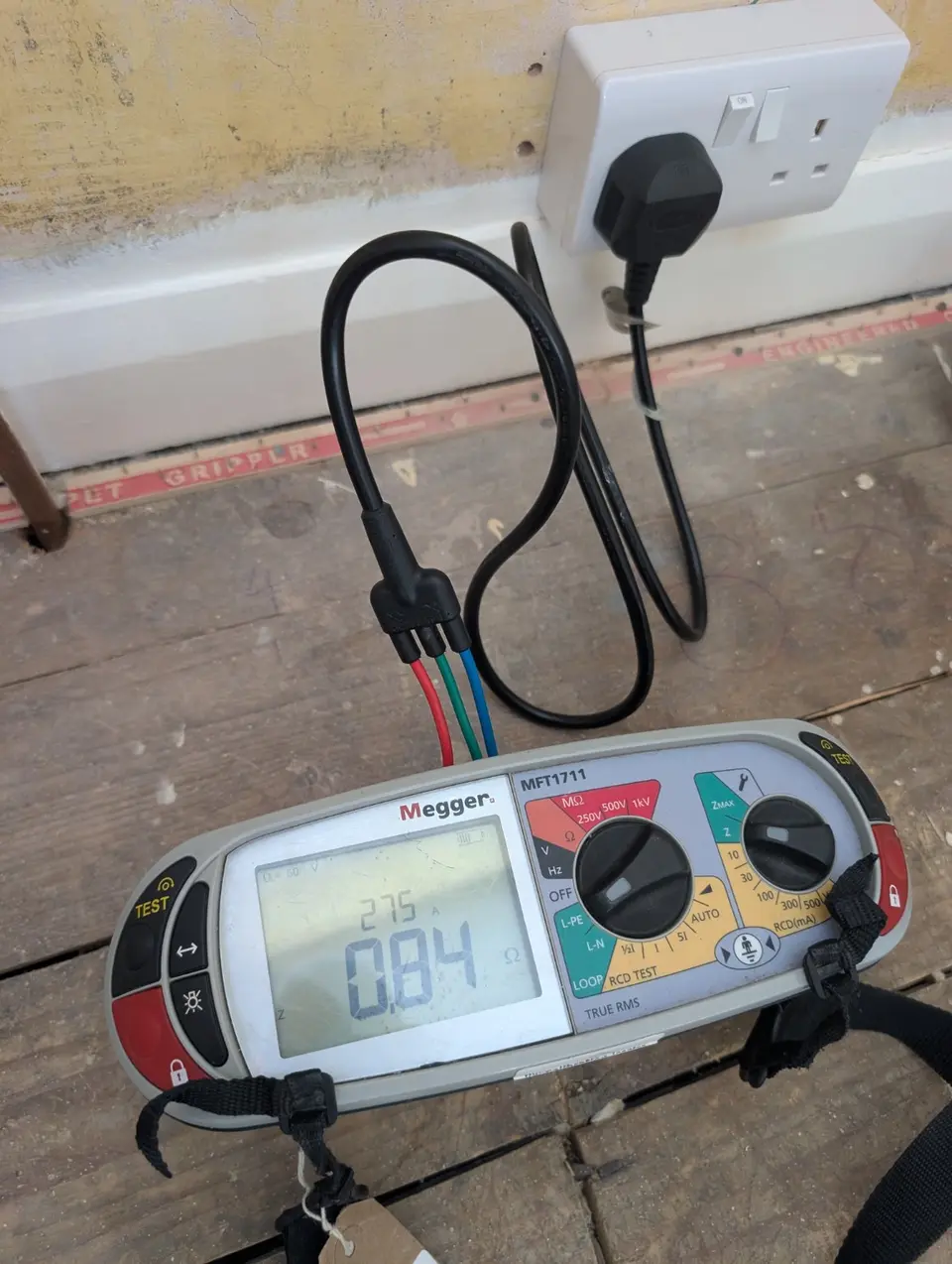
Electrical test instrument being used during an EICR by SL4 Electrical Services
Genuine SL4 workLandlord electrical safety

What’s included

Professional from
start to finish.

Whether you need an EICR before a new tenancy, a programme of inspections, remedial work after an unsatisfactory report or help with rental-property alarms, SL4 Electrical Services provides clear advice, tidy workmanship and straightforward reporting.

01

Landlord & social-housing EICRs

Inspection and testing of the fixed electrical installation, including wiring, consumer units, earthing, bonding and protective devices.

02

Remedial electrical work

Clear quotations and remedial work following unsatisfactory EICRs, including C1, C2 and FI observations where action is required.

03

Smoke, heat & CO alarms

Installation, replacement, testing and fault-finding for smoke, heat and carbon-monoxide alarms, including mains-powered and interlinked systems.

04

Property managers & housing providers

Practical support for inspection programmes, between-tenancy work, electrical repairs and safety upgrades across individual homes or managed property portfolios.

Landlord responsibilities in England

Know what is required—and
what the report means.

Landlords have legal duties around electrical inspection and certain alarm provision. Social landlords also have specific 2026 deadlines, while HMOs and licensed properties can be subject to additional local licensing and fire-safety requirements.

Electrical inspection

At least every five years

Relevant rented properties in England must have the electrical installation inspected and tested by a qualified person at least every five years, or sooner if the previous report requires it.

Read the government guidance ↗
Existing social tenancies

1 November 2026 deadline

For social-housing tenancies granted before 1 December 2025, transitional rules require the electrical installation to be inspected and tested by a qualified person before 1 November 2026. Electrical equipment provided by the social landlord must also be checked by that date.

Check the social-housing requirements ↗
Unsatisfactory EICRs

C1, C2 and FI require action

C1, C2 or FI observations make an EICR unsatisfactory. Required remedial or investigative work must normally be completed within 28 days, or sooner where the report specifies a shorter period.

Read about EICRs →
Smoke & carbon monoxide alarms

Minimum alarm duties apply

Relevant landlords must provide at least one smoke alarm on each storey used as living accommodation and a carbon monoxide alarm in rooms used as living accommodation containing a fixed combustion appliance, excluding gas cookers.

Read the alarm safety guide →

Social housing from 30 November 2026

Awaab's Law Phase 2 and electrical hazards

From 30 November 2026, Phase 2 of Awaab's Law extends the significant-hazard requirements in social housing to electrical hazards, along with fire and explosion risks and several other housing hazards. Social landlords should have clear processes for identifying, investigating and making dangerous electrical defects safe within the applicable legal timeframes.

Read the official Phase 2 guidance ↗
EICRPlanned inspection

Periodic inspection and testing helps identify deterioration, defects and safety risks before they become more serious.

24hEmergency hazards

Awaab's Law already requires social landlords to investigate potential emergency hazards and, where identified, carry out relevant safety work as soon as reasonably practicable.

28dElectrical remedials

Where an electrical safety report requires remedial or investigative work, the regulations normally require completion within 28 days or sooner if the report specifies.

5yrOngoing inspection cycle

After the initial social-housing transition, subsequent electrical installation inspections and equipment checks must be completed at least every five years.

Understanding the EICR

What do the codes mean?

C1, C2 or FI make an EICR unsatisfactory and require action. A C3 is an improvement recommendation and does not by itself make the report unsatisfactory.

C1Danger present

Immediate risk of injury. The danger should be made safe without delay.

C2Potentially dangerous

Urgent remedial action is needed to remove the potential danger.

FIFurther investigation

Investigation is required without delay because safety cannot yet be confirmed.

C3Improvement recommended

An improvement would increase safety, but this code alone does not make the report unsatisfactory.

Need an EICR, inspection programme or landlord remedial work?Send the postcode, property type, number of properties and a clear photo of the consumer unit where available for a straightforward quotation.
Get a landlord quote

Simple process

What happens next

  1. 1Send the property postcode, type and the reason for the inspection or work. For portfolios, include the number and type of properties.
  2. 2For an EICR, send a clear photo of the consumer unit and any previous report if available.
  3. 3The installation is inspected and tested, with power isolated safely in stages where required.
  4. 4You receive the report or completed-work details plus clear advice on any further action.

Helpful answers

Common questions
answered clearly.

Practical information before you arrange a quotation or site visit.

How often does a landlord need an EICR in England?

Relevant rented properties must be inspected and tested at least every five years, or sooner if the previous report specifies a shorter interval.

What is the 1 November 2026 deadline for social landlords?

For social-housing tenancies granted before 1 December 2025, the transitional rules require the fixed electrical installation to be inspected and tested by a qualified person before 1 November 2026. Electrical equipment supplied by the social landlord must also be checked by that date.

Does Awaab's Law cover electrical hazards?

Yes. From 30 November 2026, Phase 2 extends the significant-hazard requirements in social housing to electrical hazards, as well as fire and explosion risks and several other housing hazards. Emergency hazards have been covered since Phase 1.

What happens if the landlord EICR is unsatisfactory?

C1, C2 or FI observations require action. Required remedial or investigative work must normally be completed within 28 days, or sooner if the report sets a shorter timescale.

Do landlords need smoke and carbon monoxide alarms?

Relevant landlords in England must provide at least one smoke alarm on each storey used as living accommodation. Carbon monoxide alarms are also required in rooms used as living accommodation containing a fixed combustion appliance, excluding gas cookers. HMOs and licensed properties can have additional requirements.

Let’s talk

Need a straightforward quote?

Answer a few quick questions, see which photos will help and open a completed message in WhatsApp.

Start guided enquiry Or call Shaun →
WhatsAppGet a quote
Call nowGet a quote