Home EV charging

EV charger
installation.

A neat, reliable home charging setup designed around your property, supply and vehicle—with the circuit design, protection and paperwork handled properly.

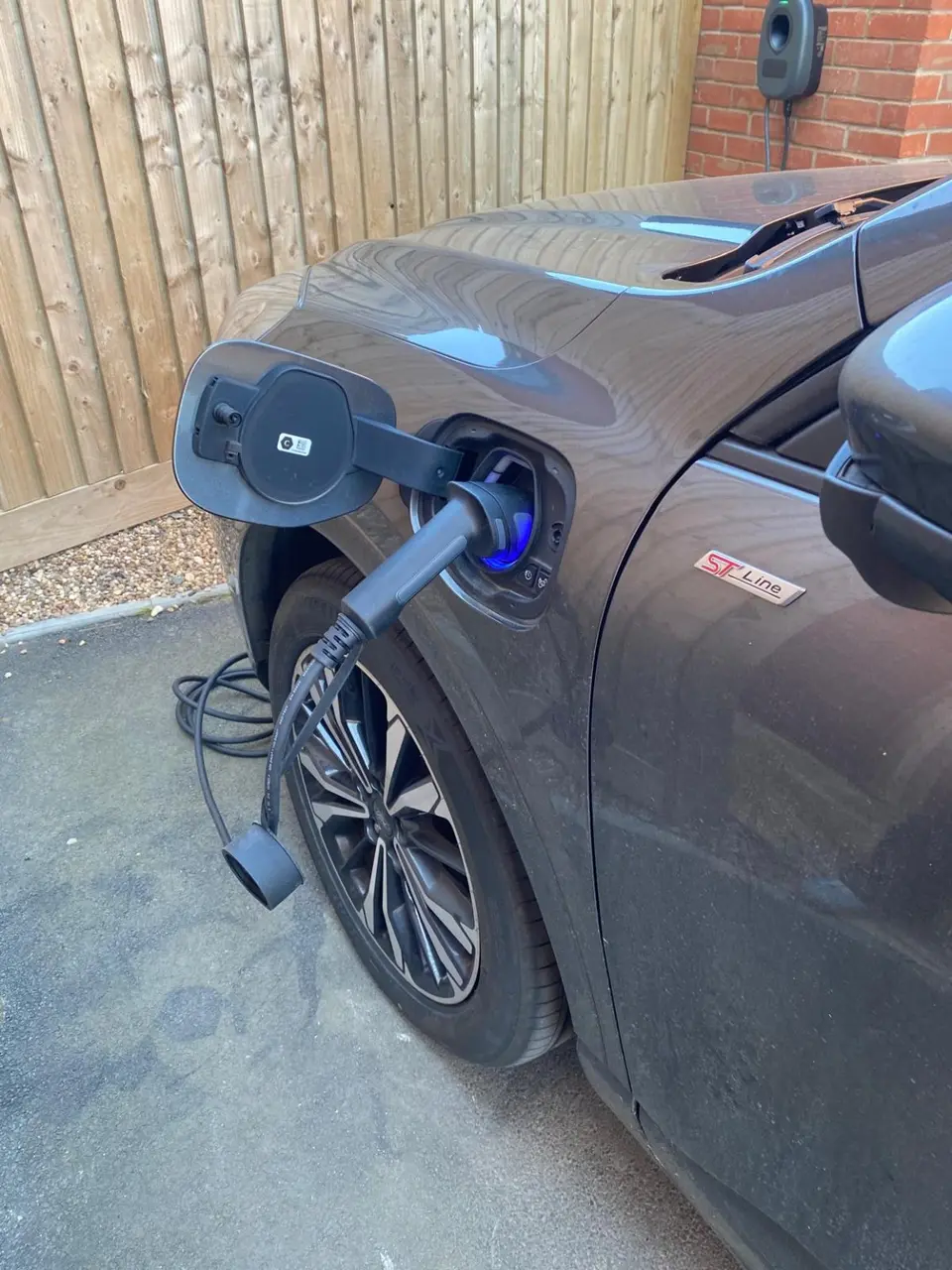
Electric car connected to a home EV charger installed by SL4 Electrical Services in Wombourne
Genuine SL4 workHome EV charger installation

What’s included

Professional from
start to finish.

I install, replace and carry out remedial work on home EV chargers across Dudley, Sedgley, Halesowen, Wednesbury, Willenhall, Wolverhampton and surrounding areas. I can advise on the right charger, cable route and electrical protection for your home.

01

Survey & honest advice

Your supply, consumer unit, proposed charger position and cable route are checked before work begins. You get a clear explanation of what is needed.

02

Correct EV protection

The installation is designed with RCD/RCBO protection suited to the charger and installation, surge protection where required, and PEN fault protection where applicable.

03

Circuit design & load

Cable size, route, voltage drop, protective devices and available supply capacity are considered because EV charging can place a sustained load on the installation for many hours.

04

Tested & commissioned

The charger is fully tested, commissioned and set up, with certification and the necessary notification completed.
Genuine completed work

See the installation.
Explore the detail.

These are real SL4 projects showing the finished work and the electrical issues addressed. Where matching customer feedback is available, it is clearly identified on the project page.

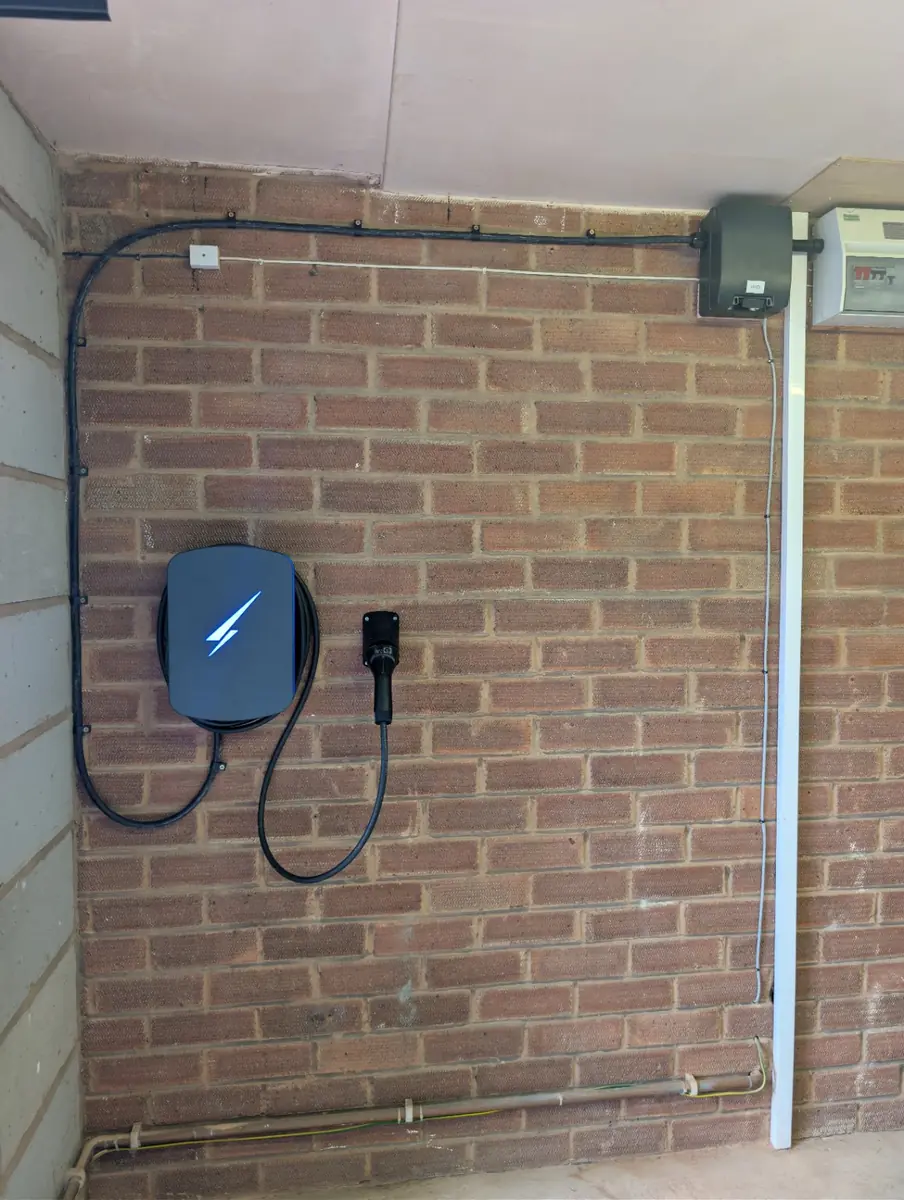
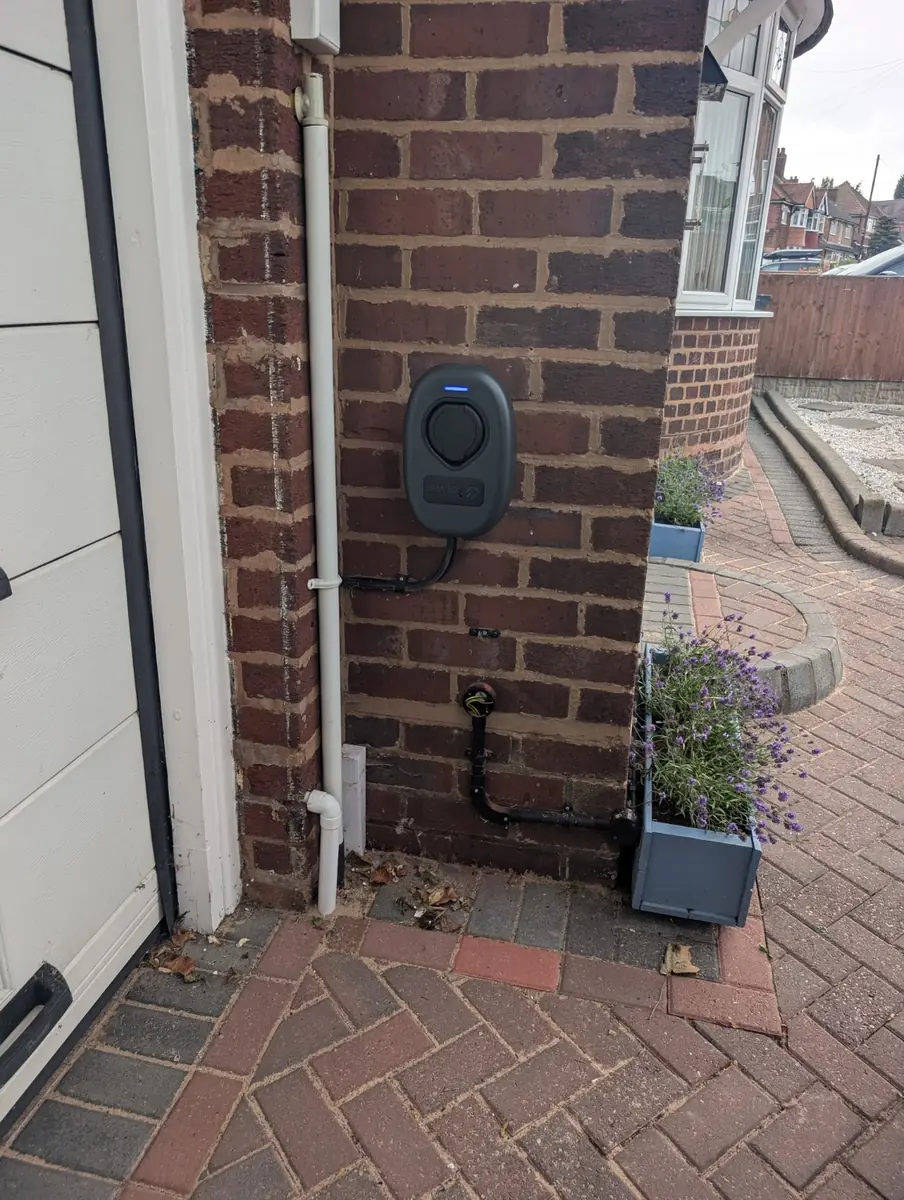
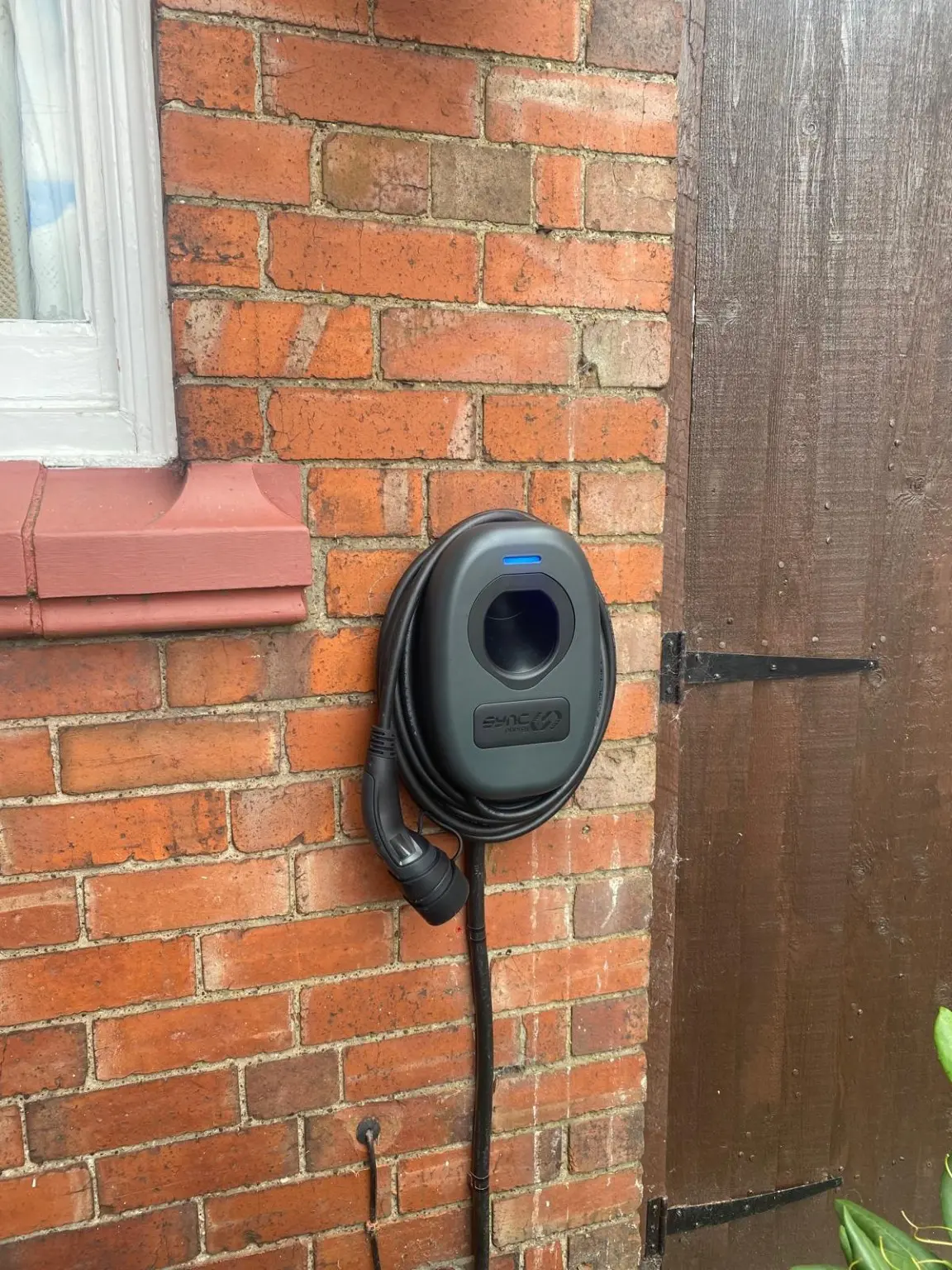
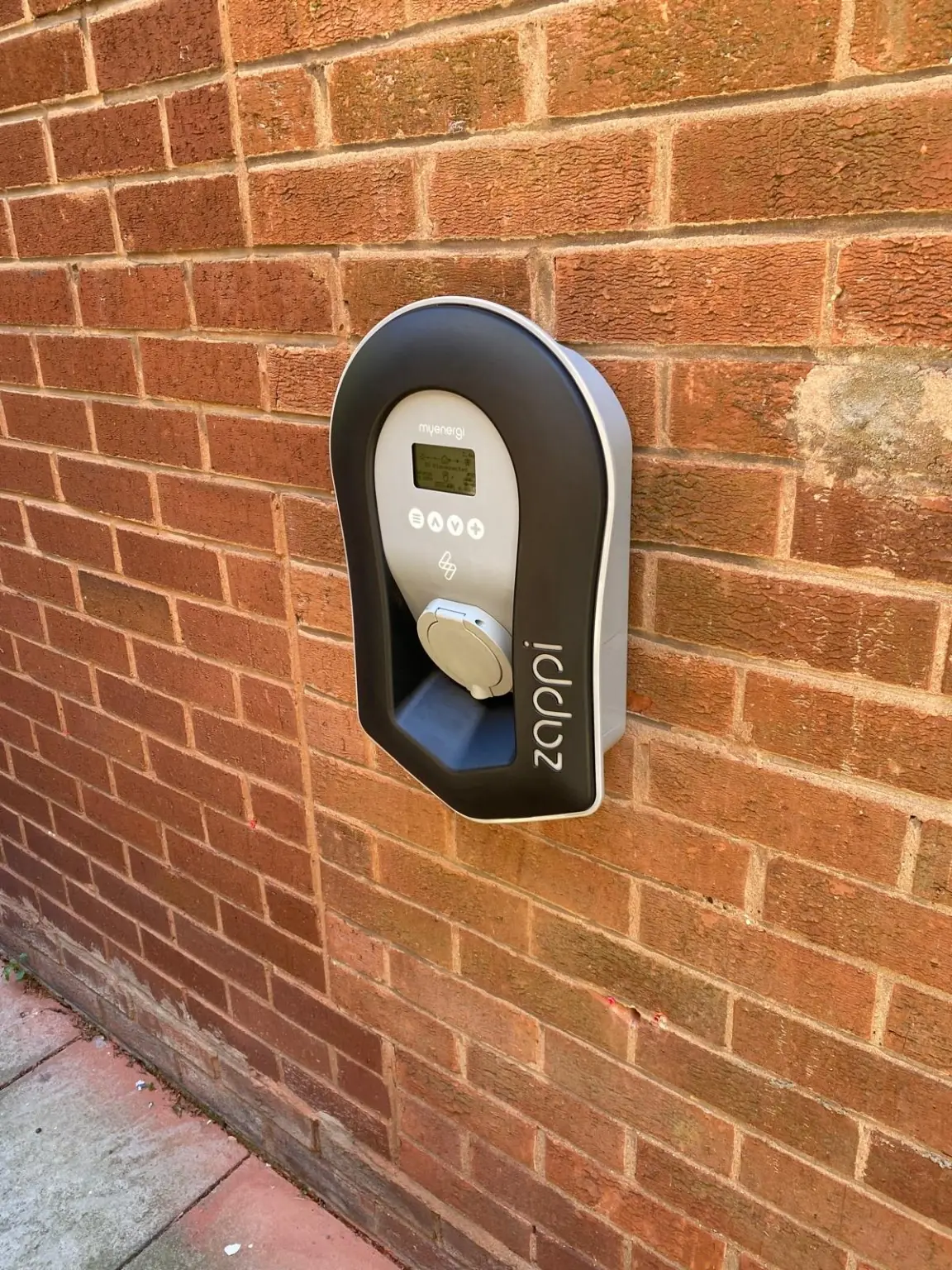
Wednesbury · EV charger remedial workExisting protection and cable entry correctedSee the genuine before-and-after evidence, targeted circuit-protection upgrade and Tami P.’s matching Nextdoor recommendation.View full project →Wombourne · Tethered home chargerWall-mounted charger demonstrated with the vehicleSee the genuine finished charger, neatly stored tethered lead and car connected at the Wombourne property.View full project →Dudley · SyncEV tetheredDedicated EV board and concealed cable routeSee the recent weekend installation, full protection details and Allan’s matching five-star Google review.View full project →Willenhall · myenergi ZappiSocketed Zappi home chargerSee the genuine finished wall-mounted charger and installation position.View full project →Halesowen · SyncEV tetheredWall-mounted charger with integrated cable storageSee the genuine finished charger position and neatly stored tethered lead.View full project →Tipton · SyncEVCompact charger and upgraded distribution equipmentTwo finished views, installation detail and Patrick’s matching Nextdoor review.View full project →Home charging · HypervoltTethered charger with independent distribution boardSee the finished installation and Julie’s detailed five-star Google review.View full project →

EV charging safety

Why EV charging needs
proper circuit design.

An EV charger is a long-duration electrical load, so the job is not simply a matter of fitting a unit to the wall. The supply, cable, protective devices, earthing arrangement and charger features all need to work together safely.

Sustained electrical load

Cable design matters

Home charging can run for several hours at a time. Cable size, installation method, voltage drop and thermal effects therefore need to be considered carefully rather than treating the circuit like a short-duration appliance load.

RCD protection

The charger matters

The correct RCD or RCBO arrangement depends on the charging equipment and its built-in DC fault-detection features. Selection is made for the actual charger and installation rather than relying on one generic device for every job.

Supply & earthing

Capacity and PEN protection

The existing supply and consumer unit are checked for available capacity. Where the earthing arrangement and charger require it, suitable open-PEN fault protection or another compliant solution must also be provided.

Already bought an EV charger?Send the make/model plus photos of the consumer unit, meter area, proposed charger position and cable route. I can check whether it is suitable before the installation is booked.
Check your EV installation
EV chargepoint grants · 2026/27

From 1 April 2026, eligible renters and flat owners can receive 75% towards the cost of buying and installing an EV chargepoint socket, up to £500. Eligible residential landlords can also receive up to £500 per socket, with grants available for up to 200 sockets per year. The current schemes are funded until 31 March 2027 and have detailed eligibility rules, so check the official guidance before relying on a grant when planning an installation.

Check the current OZEV grant guidance ↗
Product safety update · September 2026

Two ROMADA EV charging products were reported by the UK Office for Product Safety and Standards as presenting a serious electric-shock risk, including concerns over protective-earthing continuity. Both imports were rejected at the border. This is a useful reminder that the charging equipment itself matters as well as the circuit supplying it: charger suitability, protective measures, earthing and testing should all be checked rather than choosing equipment on price alone.

UK product safety report 2609-0023 ↗ · UK product safety report 2609-0021 ↗
Wallbox Pulsar Max · September 2026

OPSS has also published a modification programme for certain Wallbox Pulsar Max UK units (model PLP2-0-2-2-F-xxx with the identified EV-gun part). A manufacturing defect affecting the internal output terminal block can cause overheating. OPSS rates the fire risk as low; affected owners are being contacted for a software update and inspection, with repair or replacement parts where necessary.

Check the official OPSS report ↗
Cross-pavement charging · England

The government confirmed on 11 September 2026 that it intends to introduce new permitted-development rights for cross-pavement EV charging solutions. The legislation has not yet commenced: secondary legislation is due to be laid in autumn 2026. For now, customers without off-street parking should still check the current planning and local-highway permissions before arranging a cross-pavement solution.

Read the government response ↗

Recent EV installation experience

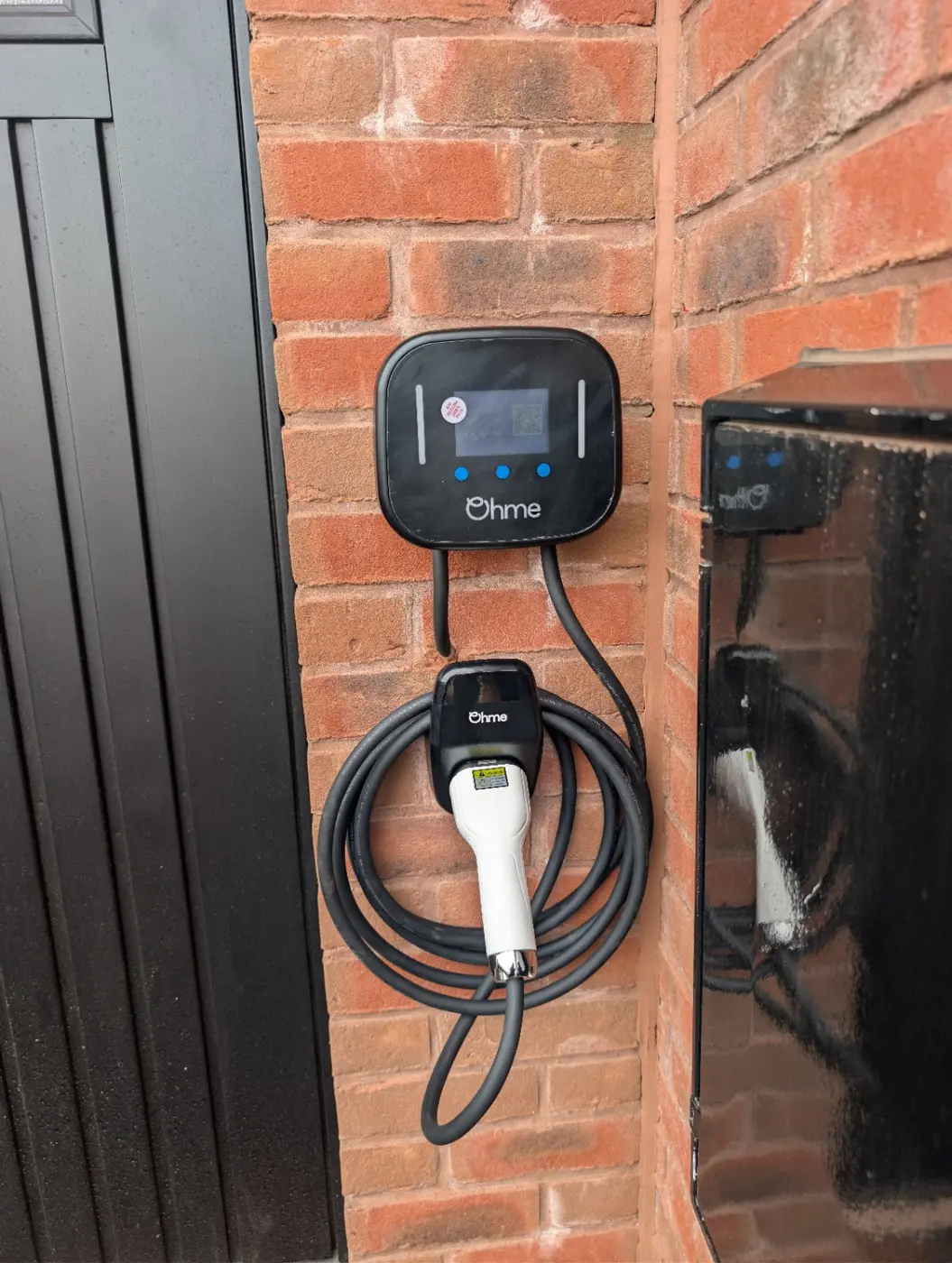
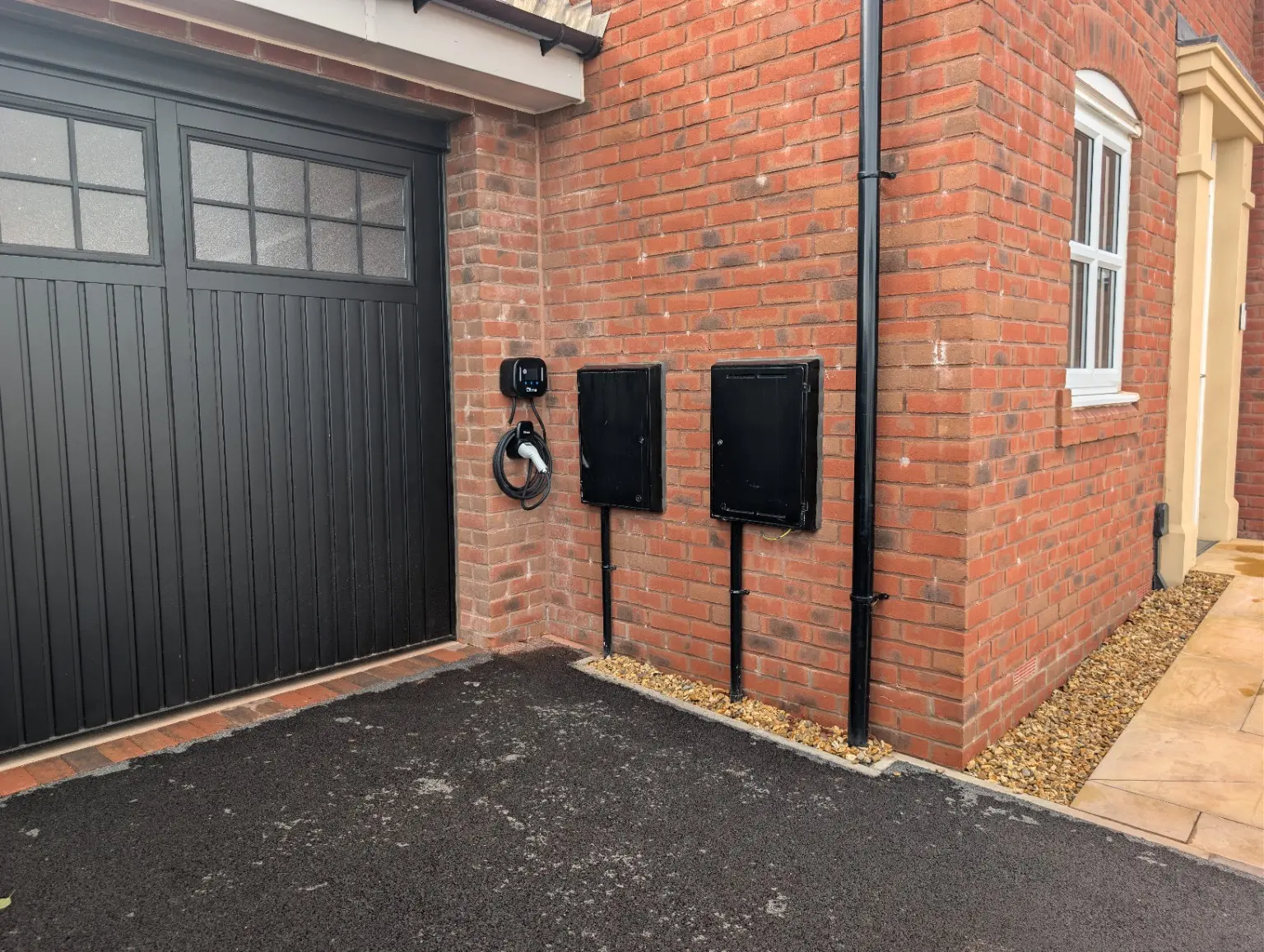
Ohme Home Pro EV Charger
Tamworth

Experience installing and commissioning an Ohme Home Pro EV charger at a residential property in Tamworth. The charger was neatly positioned alongside the existing meter equipment, with the tethered charging lead securely stored beneath the unit.

The installation was tested and commissioned ready for use.

This installation was completed as part of employed electrical work and is shown to demonstrate EV charger installation and commissioning experience. It was not a direct SL4 customer project.

Considering home EV charging?Contact SL4 Electrical Services to discuss your charger, property and cable route.
Ask about an EV charger

Simple process

What happens next

  1. 1Send your postcode plus photos of the fuseboard, meter area and proposed charger location.
  2. 2I’ll review the cable route, your electrical supply and the charger you’re considering.
  3. 3You receive a clear quotation before booking the installation.
  4. 4The charger is installed, tested, commissioned and demonstrated.

Instant online guide

See how much an EV could save you

Compare your current petrol or diesel running costs with the estimated cost of charging an electric vehicle at home.

Try the free tool

Helpful answers

Common questions
answered clearly.

Practical information before you arrange a quotation or site visit.

What photos do you need for an EV charger quote?

Send your postcode plus clear photos of the consumer unit, electricity meter and main supply area, the proposed charger position and the likely cable route. If that is difficult, send the consumer-unit photo first and I can arrange to inspect the rest.

Can you install a charger I have already bought?

Yes. Customer-supplied chargers can be installed provided they are suitable for the property, electrical supply and intended use. I can also advise on charger options before you buy.

Is there still a government grant for home EV chargers?

Yes, for some customers. From 1 April 2026, eligible renters and flat owners can receive 75% towards buying and installing a chargepoint socket, up to £500. Eligible residential landlords can also receive up to £500 per socket. The current schemes run until 31 March 2027, subject to eligibility and government terms.

Will my consumer unit need upgrading?

Not always. I check the existing consumer unit, available capacity and protection first. Where necessary, a dedicated EV distribution board or a consumer-unit upgrade can be included in the quotation.

Why does an EV charger need special RCD protection?

EV charging equipment can introduce electrical conditions that affect RCD selection, including DC residual current. The correct protection therefore depends on the charger, its built-in protective functions and the wider installation. I check the equipment specification and design the circuit accordingly.

Let’s talk

Need a straightforward quote?

Answer a few quick questions, see which photos will help and open a completed message in WhatsApp.

Start guided enquiry →Or call Shaun →
WhatsAppGet a quote
Call nowGet a quote